- This post originally appeared in the Business Insider Today newsletter.
- You can sign up for Business Insider's daily newsletter here.
It was a bad day to be a tech bro.
The 2026 midterms brought a "blue wave," and it landed squarely on a tech community that's spent two years aligning with Republicans. And it wasn't just a public rebuke of the party tech executives have been eager to please.
A key issue driving voters' decisions at the polls is central to tech's vision for an AI future: data centers.
BI's Jacob Shamsian and Brent D. Griffiths unpack how Democrats' big day spells trouble for the tech right on multiple fronts.
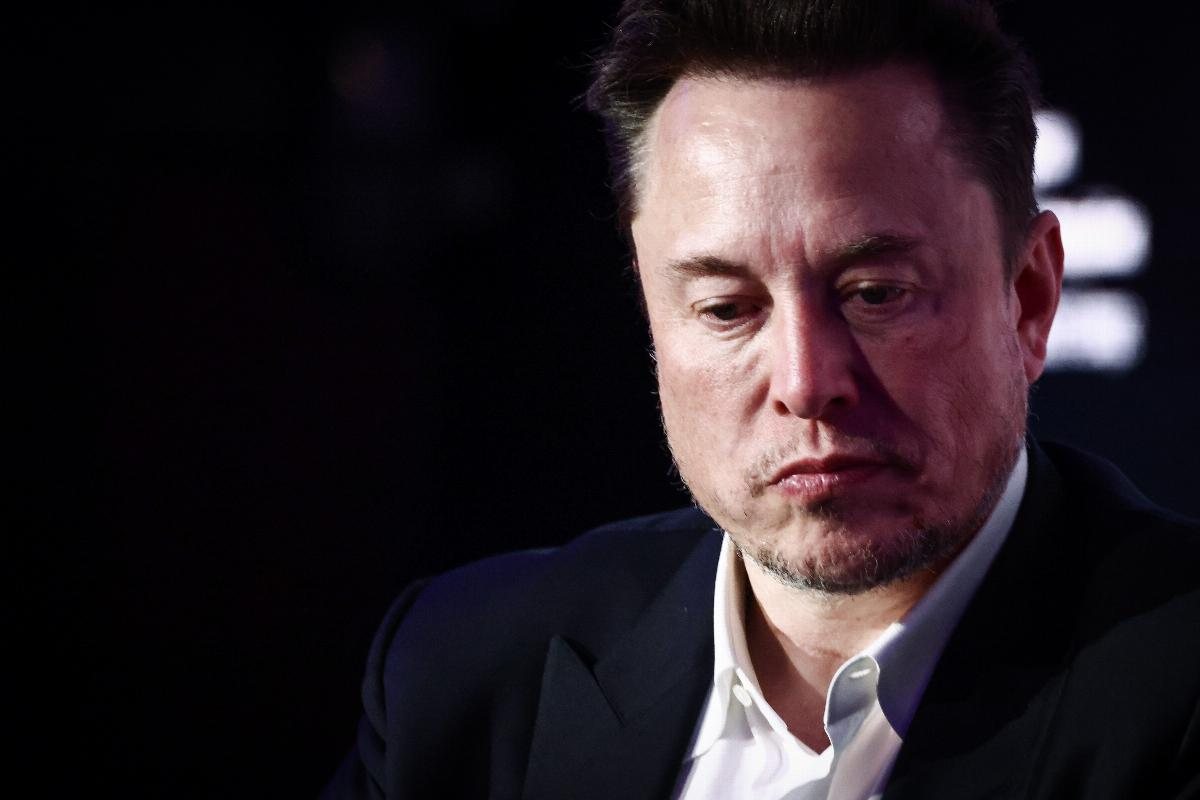
Elon Musk is the first name that comes to mind thanks to the eye-popping $446 million he spent supporting the GOP, including $224 million that went to the now-blue state of Texas. The impact is already evident, with Tesla and SpaceX shares finishing down on Wednesday.
But the blast radius extends beyond the world's richest person.
I wrote in Tuesday's newsletter how the midterms weren't quite a referendum on AI, but they were pretty close. That proved true at the polls.
In NBC News' exit poll, a majority of voters indicated AI and data centers played a crucial role in their vote, and said they'd oppose new AI infrastructure in their community.
There is at least one place that supports tech's AI ambitions. Meet the tiny North Dakota town that was the only place to vote in support of data centers.
Don't start writing tech's obituary, though.
While neocloud stocks like CoreWeave, Nebius, and Iren dropped, the tech sector largely finished the day in the green. Alphabet, Amazon, Meta, and Microsoft were all up, as was the tech-heavy Nasdaq Composite, which ended the day up 1.44%. The left might have won, but stocks are still heading up and to the right.
Even the neoclouds could ultimately benefit. Some industry watchers have speculated the threat of regulatory scrutiny from incoming lawmakers will lead AI companies to pump the brakes.
Their hesitancy could allow the rest of the industry to catch up and avoid the often-feared bubble situation where the race to stay ahead leads supply to outstrip demand.
AI companies also now have a built-in excuse whenever they fail to meet expectations: Blame it on regulators. For a group that's looked for creative ways to pass the buck, Washington's bureaucracy is an easy scapegoat to pin its potential future shortcomings on.
Tech's elite can also rest easy knowing at least one approach to taxing them more is falling short. We don't yet have a final tally on California's Prop. 40 "billionaire wealth tax," but early results indicate the "No" vote has a commanding lead.
That would mean more money to pour into the next election.